Reflect on the questions below before you read the story.
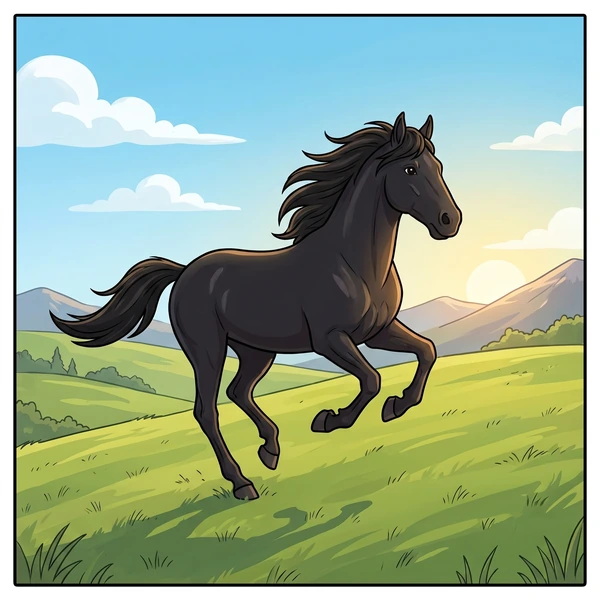
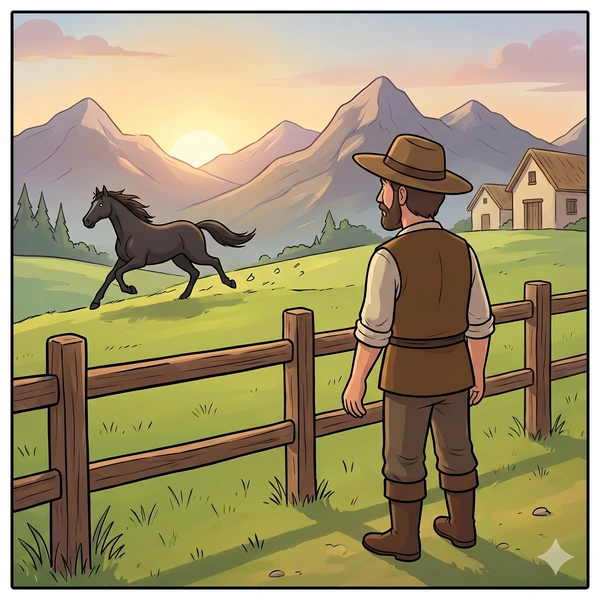
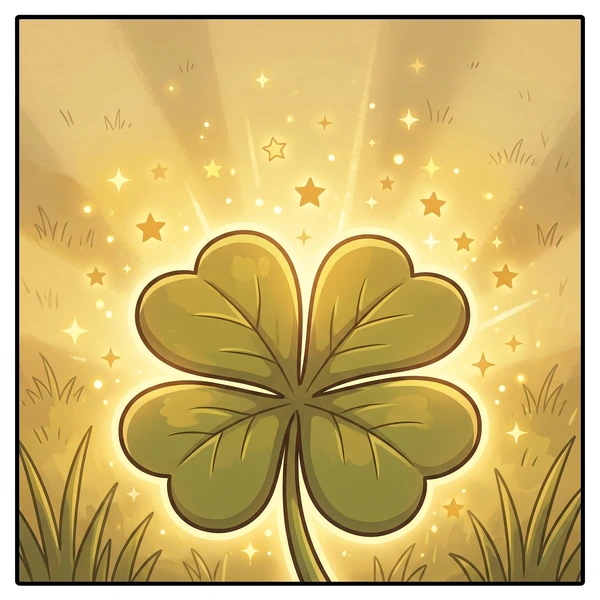
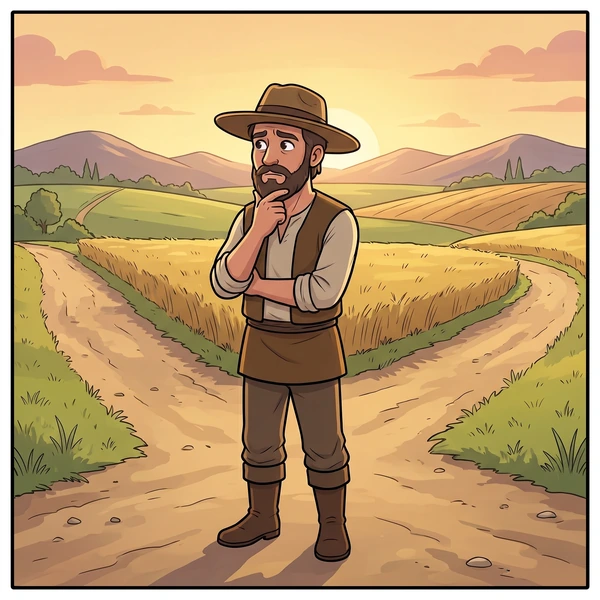


An elderly farmer lived in a remote village with his only son. They were far from wealthy, but they owned a single magnificent horse — the envy of everyone around them. The bystanders would often remark, "How fortunate you are to own such a fine animal!"
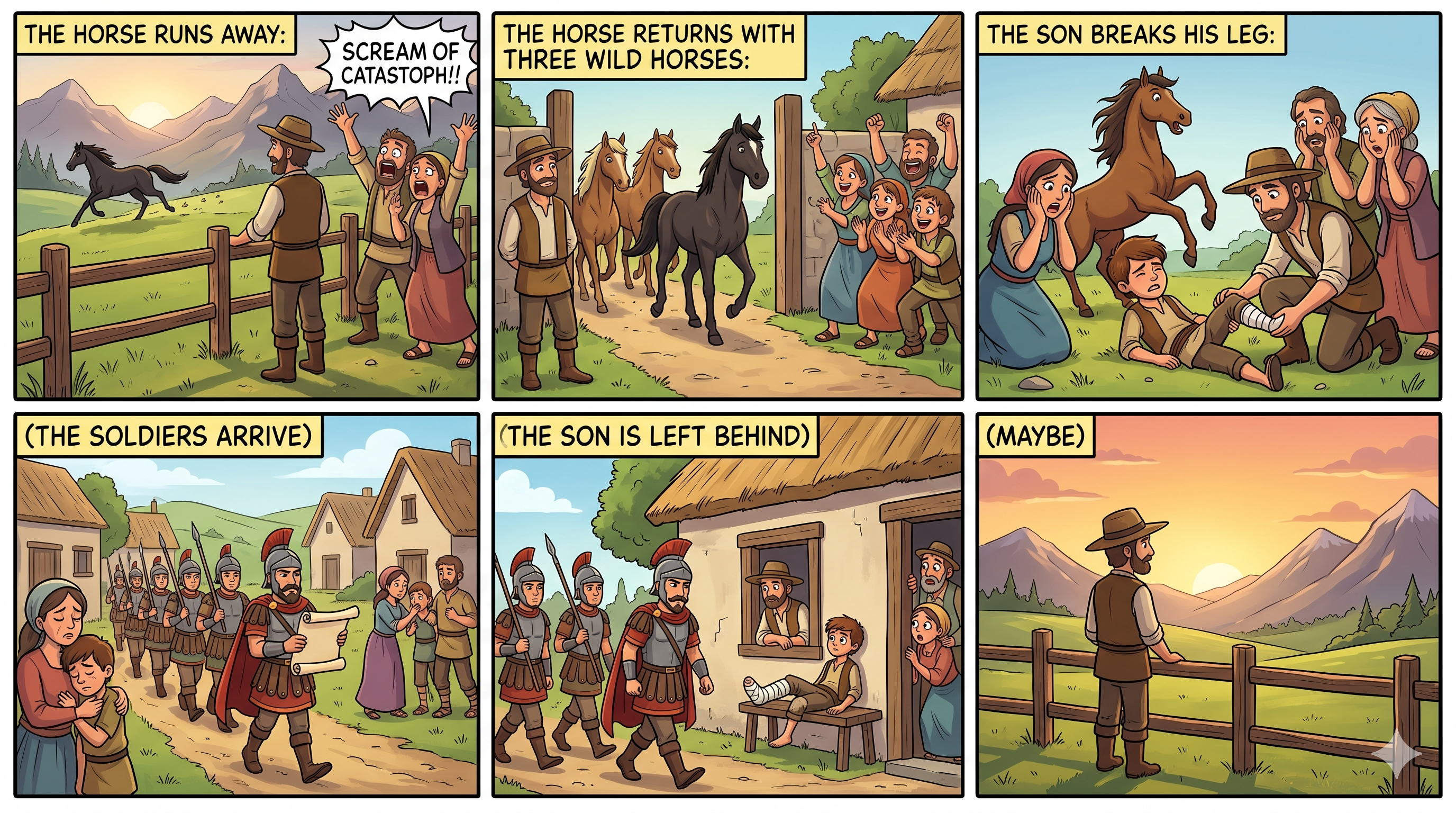
Then, one morning, the horse bolted, vanishing without a trace into the mountains. The bystanders rushed over to commiserateTo express sympathy for someone after something bad has happened to them.. "What dreadful fortune!" they cried. "Your only horse — gone. An absolute disasterA sudden event that causes serious harm or loss.!"
The farmer looked at them calmlyIn a composed, unhurried way — without anxiety or alarm. and chose to withhold his verdict, replying with a single word: "Maybe."
A week later, to everyone's astonishment, the horse returned — bringing with it three magnificent untamed horses from the mountains. Almost overnight, the farmer's stable had quadrupled. The bystanders gathered once again, this time wide-eyed with envyA feeling of wanting what someone else has.. "What extraordinaryVery unusual or remarkable; well beyond what is ordinary. fortune!" they exclaimed. "You must now be the wealthiest man in the entire village!"
The farmer simply smiled and said: "Maybe." The bystanders dismissed his reply as the words of an old fool.
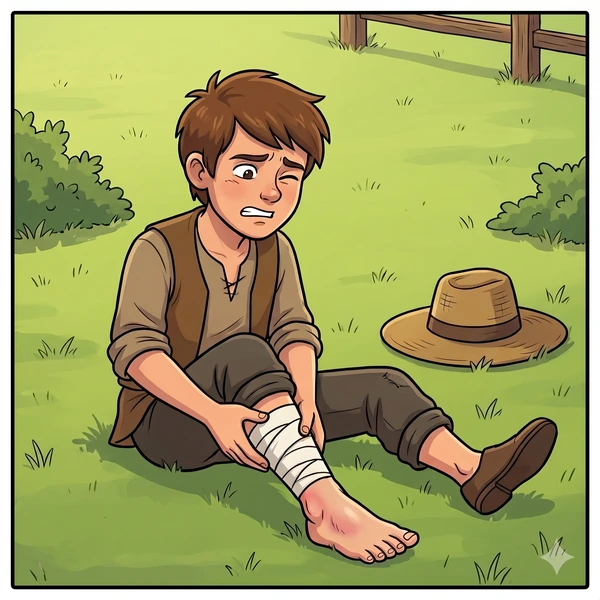
The very next day, the farmer's son attempted to tame one of the untamed horses. The animal threwPast of "throw" — here, sent the rider violently into the air. him off without warning, and he fractured his leg badly. The bystanders returned, shaking"Shaking their heads" is a gesture meaning disapproval or pity. their heads. "How dreadful! Your son will be of no use on the farm now — what wretched fortune indeed."
The farmer answered, as before: "Maybe."
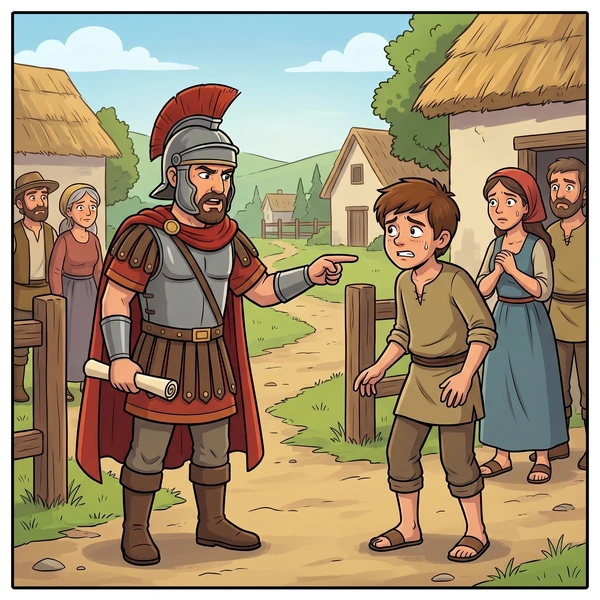
The following week, soldiers swept into the village. War had broken out, and the army was recruiting — in fact, conscriptingForcing people to join the army, with no choice in the matter. — every able-bodied young man for a perilousExtremely dangerous; involving great risk to one's life. campaign. They marched off with every youth in the village — every young man, that is, except the farmer's son, who was sparedSaved or excused from harm or punishment. because of his fractured leg.
The bystanders arrived once more, this time beaming. "What remarkable fortune! Your son has been spared!"
And the farmer, as ever, said: "Maybe."
The bystanders are always quick to deliver a verdict — "What good fortune!" one day, "What dreadful fortune!" the next. But the farmer has grasped something they have not: events rarely sit still long enough to be labelled. What appears catastrophic at midday may, by evening, reveal itself as a quiet blessing — and vice versa.
And so, every time the bystanders arrive, breathless with their latest verdict, the old farmer meets their eyes and offers a single word: "Maybe."
He neither celebrates nor laments. He refuses to gloatTo take obvious pleasure in your own success — usually in front of others., and he refuses to dismiss. He chooses to withhold judgement, to wait, to observe, and to let the story unfold.
The Farmer's "Maybe"
Most of us live as if every event arrives with a fixed label already attached — good, bad, fortunate, unfortunate. But events do not unfoldDevelop or reveal themselves gradually, stage by stage, over time. in single frames; they unfold as long, branching narratives. What looks today like a setback may, in retrospect, turn out to have redirected your path; what looks today like a stroke of luck may, in hindsight, have set the trap. The premature verdict is almost always the wrong one.
The farmer's "Maybe" is not passivity or indifference — it is something far harder: suspended judgement. It echoes the Stoic and Taoist insight that we tend to react to the story we've already told ourselves, rather than to the story still being written. To say "maybe" is to keep the verdict open, to stay curious about how the situation will reframe itself, and to admit, with a certain humility, that we rarely see far enough ahead to know what is truly working in our favour.
- When did you last reach a verdict on something "bad" too quickly — only to discover, in hindsight, that it had quietly worked in your favour?
- Where in your life are you currently demanding certainty from a situation that simply hasn't finished unfolding yet?
- What might shift if, just for today, you replied to every piece of news — good or bad — with a quiet "maybe" before reacting?
The Story Timeline
Discussion — work through these with a partner before checking the True/False below:
True or False?
Hedging — Softening Claims When You're Not Yet Sure
The farmer never asserts that something is good or bad — he simply replies "maybe". In English we call this hedging: deliberately softening a claim when we lack full information, want to avoid sounding dogmatic, or wish to leave room for the situation to develop. Skilled hedging is one of the clearest markers of an upper-intermediate speaker.
① Sentence-starters & adverbials — Maybe / Perhaps / Presumably / In all likelihood
These sit at the beginning of the sentence (or, in some cases, mid-sentence). The rest of the clause keeps its normal structure.
| Expression | Example |
|---|---|
| Maybe / Perhaps | Perhaps what looks like a setback is actually working in your favour. |
| Presumably | Presumably the army will move on once they've found enough recruits. |
| In all likelihood | In all likelihood, we won't know the full picture for years. |
| It's conceivable that | It's conceivable that losing the horse was the best thing that could have happened. |
② Modal verbs — might / could / may
These slot in before the main verb. They're always followed by the base form (no to, no -s).
| Modal | Example |
|---|---|
| might + verb | This setback might turn out to be a blessing in disguise. |
| could + verb | The whole situation could prove harder to read than we first thought. |
| may + verb | What appears unlucky now may yet work in your favour. |
③ Reservation phrases — softening a verdict
Useful when you want to express doubt about another person's claim without being blunt.
| Phrase | Example |
|---|---|
| Arguably | Arguably, it's still too early to call this a disaster. |
| I'd hesitate to call it… | I'd hesitate to call it ill fortune — we simply don't know yet. |
| It's hard to say whether… | It's hard to say whether the move was a mistake or a masterstroke. |
Remember: after might, could and may, always use the base verb.
Maybe, might and could carry almost the same meaning — but the word order changes. Read each row left → right and notice what moves.
| with Maybe | with might | with could |
|---|---|---|
| Maybe the horse will come back. | The horse might come back. | The horse could come back. |
| Maybe it's good fortune. | It might be good fortune. | It could be good fortune. |
| Maybe his son's leg will heal. | His son's leg might heal. | His son's leg could heal. |
| Maybe I'm wrong. | I might be wrong. | I could be wrong. |
| Maybe the army will take him. | The army might take him. | The army could take him. |
| Maybe this story has a lesson. | This story might have a lesson. | This story could have a lesson. |
Notice two changes: (1) maybe sits at the start; might/could sit inside, before the verb. (2) with maybe the verb keeps its normal form (will come, is); with might/could we drop will/to and use the base verb (come, be, heal).
Choose the most appropriate hedging expression for each exchange:
Rewrite each prediction using might or could + base verb
Read the context, then rewrite the second sentence with a modal verb to soften the claim. Might and could are interchangeable here — either is accepted.
Bring to mind a moment in your life that seemed unmistakably "bad" at the time — but which, with the benefit of hindsight, turned out to contain a hidden gift (or the reverse: something everyone called "lucky" that quietly cost you something).