Think about these questions before you read the story.
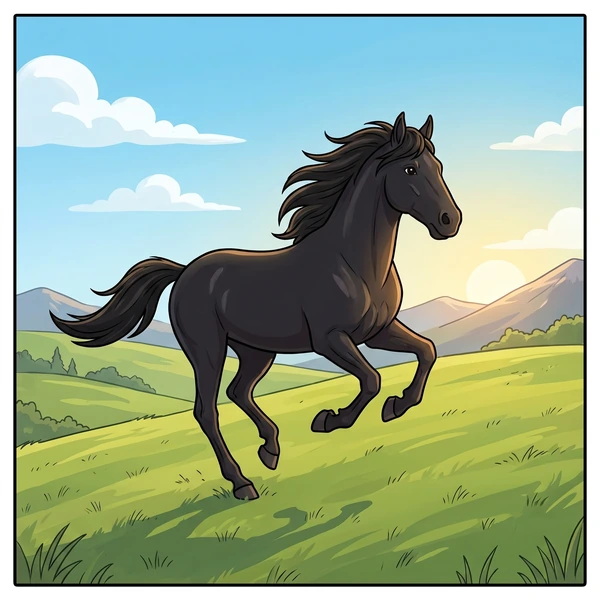
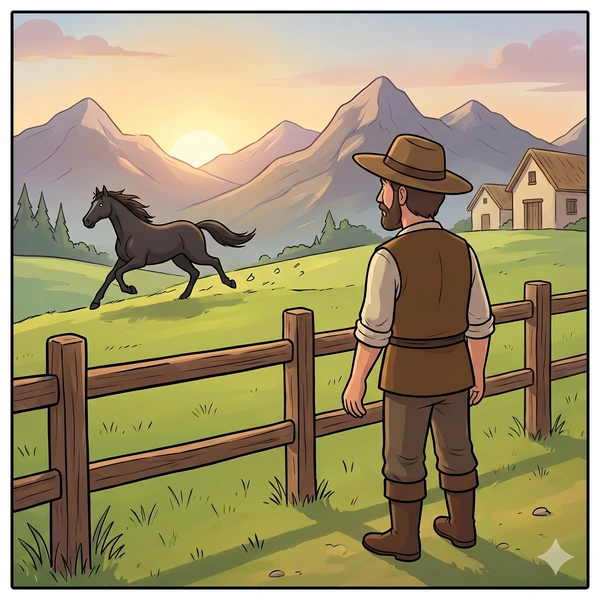
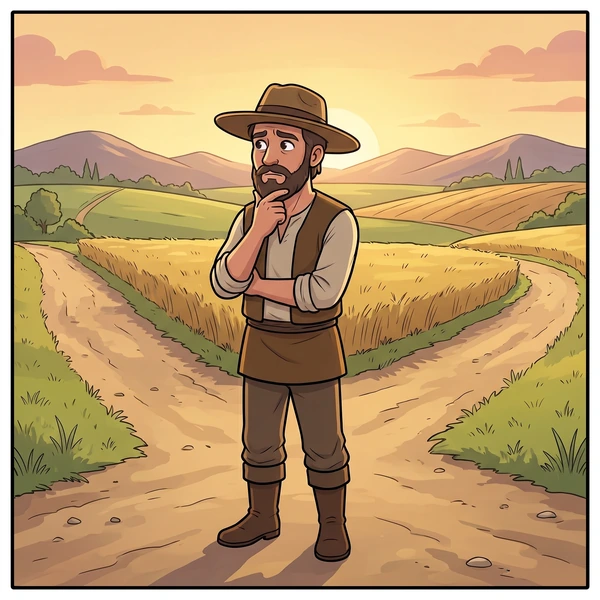


An old farmer lived in a small village with his son. They were not rich, but they had one beautiful horse. The neighbours often said, "You are so lucky to have that horse!"
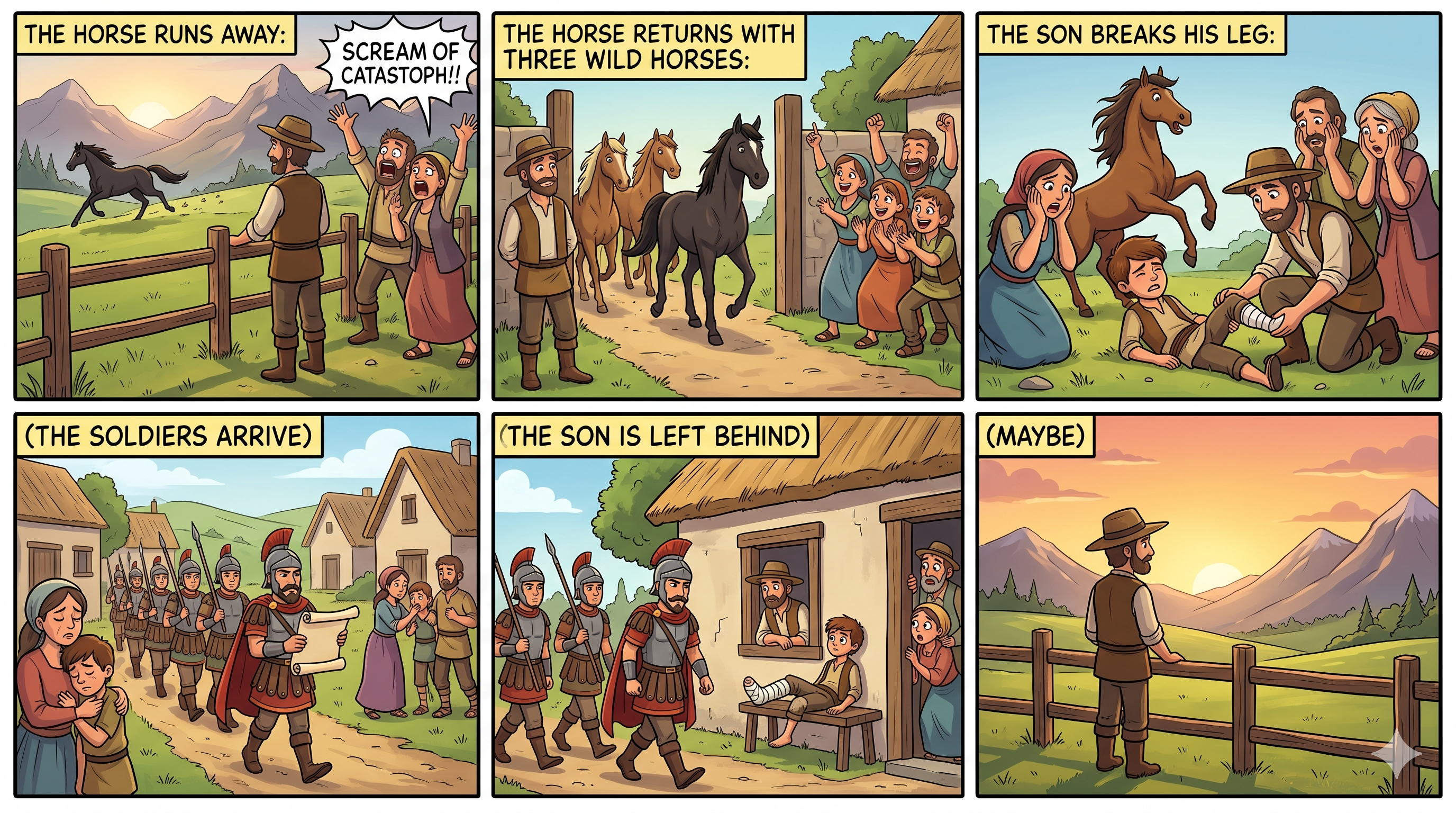
One morning, the horse ran away. It disappeared into the mountains. The neighbours came to the farmer's house. "What terrible luck!" they said. "Your only horse is gone. This is a disasterA very bad event that causes serious problems.!"
The farmer looked at them calmlyIn a quiet, relaxed way — not worried, not in a hurry. and said: "Maybe."
A week later, the horse came back — and it brought three wild horses with it. Now the farmer had four horses. The neighbours were amazedVery surprised in a positive way.. "What incredibleAmazing; so good (or so surprising) that it's hard to believe. luck!" they said. "Now you're the richest farmer in the village!"
The farmer smiled and said: "Maybe."
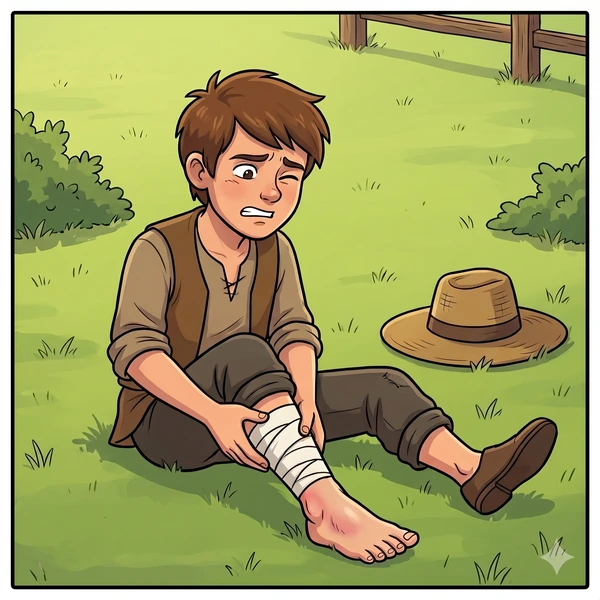
The next day, the farmer's son tried to ride one of the wild horses. The horse threwPast of "throw" — sent something (or someone) through the air suddenly. him off and he broke his leg. The neighbours shookPast of "shake" — moved from side to side. "Shook their heads" means they moved the head to say "no" or "that's bad". their heads. "What terrible luck! Your son can't work now. This is very bad."
The farmer said: "Maybe."
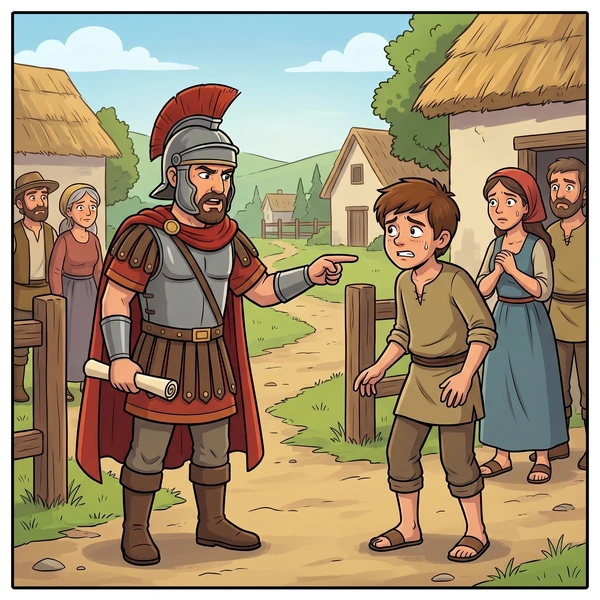
The following week, soldiers arrived in the village. The army was recruiting every young man for a dangerousNot safe — it can hurt or kill you. war. They took all the young men from the village — but they didn't take the farmer's son. His broken leg saved his life.
The neighbours came again. "What amazing luck! Your son is safe!"
And the farmer said: "Maybe."
The neighbours always judge quickly. "Good luck!" "Bad luck!" But the farmer knows the truth: life keeps changing. What looks bad today can become good tomorrow — and good can turn bad.
So every time the neighbours come, the old farmer simply looks at them and says one word: "Maybe."
He does not judge. He does not celebrate. He does not complainTo say you are not happy about something.. He waits, and he sees.
The Farmer's "Maybe"
Kabbalah teaches that every moment holds both the revealed and the concealed. What looks like loss can carry hiddenNot seen or not obvious; covered, secret, or kept out of sight. light; what looks like luck can carry hidden weight. The wise soul does not rush to label — it listens to the unfolding of the Divine script.
The farmer's "Maybe" is not indifference. It is trust — Bitachon. It is the quiet knowledge that God writes long sentences, and we should not place the period before He does.
- When have you judged something "bad" too quickly — and later saw the good hidden inside?
- Where in your life right now are you demanding certainty that may not yet be ready?
- Can you practise saying "maybe" today — and notice what softens when you do?
The Story Timeline
Discussion — answer with a partner first:
True or False?
Expressing Uncertainty — When We Don't Know
The farmer never says "this is good" or "this is bad" — he says "maybe". In English, we call this hedging: using careful words when we are not sure about something. Hedging keeps us open — just like the farmer — instead of judging too quickly.
① Sentence-starters — Maybe / Perhaps
These words come at the beginning of the sentence. The rest of the sentence stays normal.
| Word | Example |
|---|---|
| Maybe | Maybe it's good luck. We don't know yet. |
| Perhaps | Perhaps things will get better tomorrow. |
② Modal verbs — might / could
These go before the main verb. We use the base form (no to, no -s).
| Modal | Example |
|---|---|
| might + verb | This might be a good thing. |
| could + verb | It could be worse than we think. |
| We'll see | Is it bad luck? We'll see. |
Remember: after might and could, always use the base verb.
Maybe, might and could carry almost the same meaning — but the word order changes. Read each row left → right and notice what moves.
| with Maybe | with might | with could |
|---|---|---|
| Maybe the horse will come back. | The horse might come back. | The horse could come back. |
| Maybe it's good luck. | It might be good luck. | It could be good luck. |
| Maybe his son's leg will heal. | His son's leg might heal. | His son's leg could heal. |
| Maybe I'm wrong. | I might be wrong. | I could be wrong. |
| Maybe the army will take him. | The army might take him. | The army could take him. |
| Maybe this story has a lesson. | This story might have a lesson. | This story could have a lesson. |
Notice two changes: (1) maybe sits at the start; might/could sit inside, before the verb. (2) with maybe the verb keeps its normal form (will come, is); with might/could we drop will/to and use the base verb (come, be, heal).
Choose the best expression:
Rewrite using might or could + verb
Read the situation, then rewrite the second sentence with a modal verb. Might and could both mean maybe — either one is accepted.
Think of something that happened in your life that seemed bad at first — but later turned out to be good (or the other way around).